
Dogs remember more than most people think, which leads many to wonder: how long is a dogs memory? Studies show that dogs have both short-term and long-term memory.
|
Memory Type |
How Long It Lasts |
|---|---|
|
Short-term Memory |
Only a few minutes |
|
Long-term Memory |
Over ten years |
When asking how long is a dogs memory, it’s important to know that dogs use associative memory to connect events and results, and they also remember special times with episodic memories. Understanding how long is a dogs memory matters for pet owners who want to cherish every moment. Special moments should be remembered, and Paw Memorial helps keep those memories alive with meaningful pet memorial gifts.
Do Dogs Have Good Memories?
Scientists wanted to know how dogs remember things. They learned dogs have short-term and long-term memory. Short-term memory lasts just a few minutes. A dog might forget something in two minutes. If you praise or scold a dog late, he may not know why. This shows their short-term memory is limited.
Long-term memory is different for dogs. Dogs can remember important things for many years. Some studies say dogs keep associative memories for over ten years. Associative memory helps dogs remember sounds, sights, and events. They remember these if they are good or bad. For example, a dog remembers the sound of a treat jar. He remembers a favorite toy because it makes him happy. Dogs do not remember random things like people do. They remember what matters most to them.
Research shows dogs learn and remember actions from humans. They can remember these actions even after being distracted. This is called declarative memory. Declarative memory lets dogs recall facts or knowledge. Dogs can copy new actions after some time. This means dogs have a special kind of long-term memory.
Many people think dogs forget things easily, but that is not true. Animal experts say dogs use associative memory, not episodic memory like people. Dogs do not remember every detail of an event. They remember what is important for their lives. For example:
-
Dogs remember routines like feeding times and walks.
-
They remember people who are nice or mean to them.
-
They remember places where they felt safe or scared.
Young dogs and puppies remember things differently than adult dogs. Puppies have short attention spans and forget things fast. As dogs get older, their memory gets better. Adult dogs remember commands, routines, and people for a long time. Training helps dogs build strong memories. Repeating things and having good experiences make memories last longer.
Knowing how long dogs remember things helps owners train and care for them. Dogs forget small things quickly. But they keep important memories for years. This way of remembering helps dogs bond with their families.
How Long is a Dogs Memory
Dogs have strong memories. They can remember people, places, and things for a long time. Scientists studied how long is a dogs memory. They found that dogs remember important things for many years. Sometimes, they remember for almost ten years. Dogs remember best when something makes them feel strong emotions or is part of their daily routine.
Memory Span for People
Owners and Family
Dogs get very close to their owners and families. There are many stories about dogs remembering their people after being apart for years. Some dogs know their owners even after seven years away. Studies show dogs can remember some people for several years. These memories are often tied to smell, voice, and time spent together.
|
Finding |
Detail |
|---|---|
|
Recognition Duration |
Dogs can know their mother and siblings for at least two years. |
|
Memory Mechanism |
Smell is more important than sight for memory. |
|
Sibling Recognition |
Puppies may not know siblings unless they lived together. |
Dogs use their nose to remember loved ones. When a dog smells someone it knows, it can feel happy and excited. Brain scans show a dog's happy part of the brain lights up when it smells its owner, even after a long time. This shows how long is a dogs memory when it comes to people they love.
Other Animals
Dogs also remember other animals, especially if they lived together. If two dogs grew up together, they often remember each other after being apart. If they did not spend much time together, they might forget. Dogs use smell and how others act to know animal friends. This helps them feel safe and happy.
Memory Span for Places
Familiar Environments
Dogs remember places they know for a long time. Science shows dogs can remember locations and people for a long time. This is like how people remember special events and feelings. For example, a dog may remember a favorite park or old house, even after moving away.
A study in Hungary found dogs could remember what their owners did in certain places and times. In this study, 17 dogs learned to copy their owners' actions. The dogs could copy after waiting one minute or even one hour. This means dogs can remember things and places that matter to them. How long is a dogs memory for places? It can last for years, especially if the place is special.
Memory Span for Experiences
Positive and Negative Events
Dogs remember both happy and sad things. Research from the University of Arizona shows dogs make strong memories with people and events. These memories can last for years. For example, a dog may remember a happy reunion or a scary vet visit. When a dog hears a familiar voice or smells a favorite toy, it can remember things from long ago.
Brain scans show dogs feel happy when they sense something from their past. Dogs can also copy things they saw before, even without practice. In one test, dogs remembered and copied their owners' actions up to an hour later. This shows dogs have a special memory that helps them remember important moments.
How long is a dogs memory for experiences? Dogs can remember special events for many years, especially if those moments are tied to strong feelings or routines. This helps dogs trust and feel safe with their families.
What Do Dogs Remember Best?
People and Bonds
Dogs remember people they are close to. They make strong memories with people they love. Puppies get attached to their mothers because they care for them. This bond helps puppies remember their mothers for up to two years. Puppies remember their mothers by smell and how they look. These early bonds help dogs know their mothers later. The way dogs feel about their mothers shapes what they remember most.
When dogs grow up, they make new bonds with people. Living with humans gives dogs many chances to learn. Dogs notice how their owners act in different places. If an owner is calm, the dog feels calm too. If an owner is worried, the dog may feel alert. These feelings help dogs remember people and important times.
Emotional Connections
Animal experts say dogs remember things by how they feel. Dogs remember happy times with their humans. Training with rewards works because dogs remember feeling happy. Bad experiences can also stay in a dog's memory.
Dogs get excited when they see someone they know. This excitement comes from their feelings and memories. Strong bonds help dogs remember loved ones for a long time.
Places and Routines
Dogs remember places and daily habits. They use clues around them to know what will happen. For example, a dog may wait by the door at walk time. Dogs use light, sounds, and smells to remember routines.
-
Dogs use clues to know when things happen.
-
Doing the same thing every day helps dogs feel safe.
Environmental Cues
Dogs learn from people and even from robots. Studies show dogs can use what they learn in new places. Dogs listen to words from robots just like from people. This shows dogs use clues to remember and change their habits.
Experiences and Training
Dogs remember things that make them feel strong emotions. Training helps dogs remember things for a long time. Research shows dogs remember what they learn for at least four weeks. How often or how long they train does not matter. This means training helps dogs keep memories.
Retention of Commands
Dogs remember commands they practice a lot. Treats and praise help dogs remember better. Dogs can do tricks even after a break from training. This shows practice and good feelings make memories last.
Scent and Dog Memory
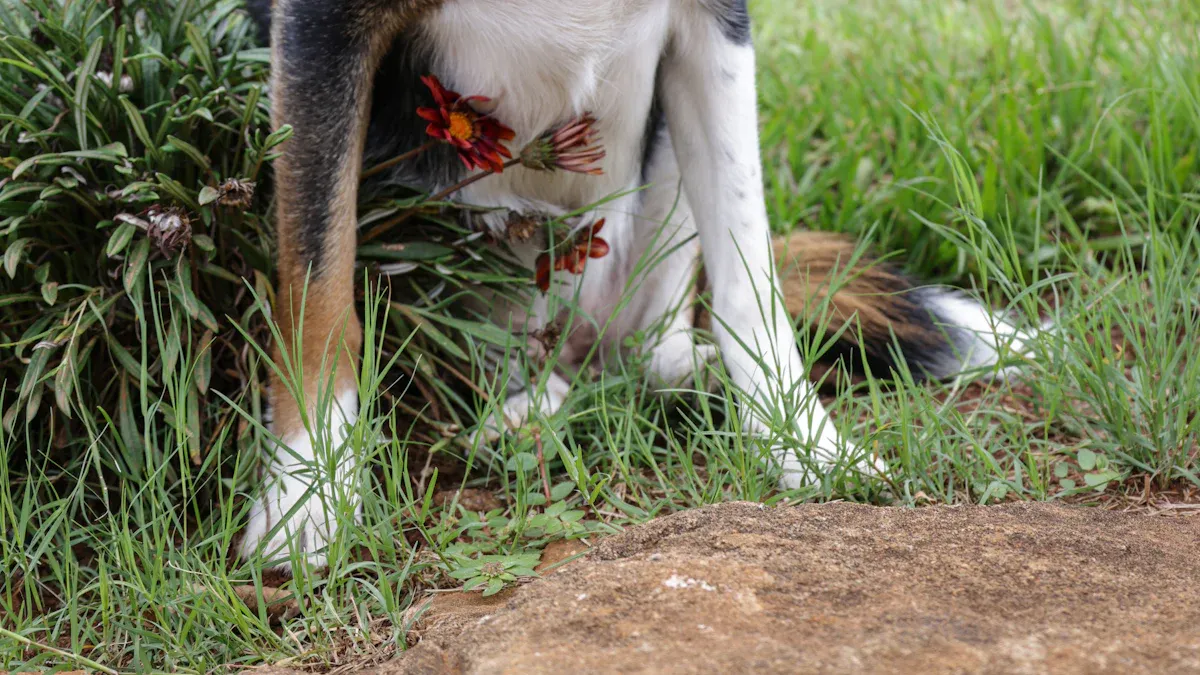
Scent Recall
Dogs use their noses to learn about the world. Their sense of smell is much stronger than ours. Dogs have about 300 million olfactory receptors. People only have 6 million. This big difference helps dogs make strong scent memories. When a dog meets a friend at the park, he remembers that friend's smell for months. Even after a long time apart, a dog can know a person or dog by their scent.
Dogs use smell to find out what is happening around them. They notice when smells change. This helps them learn about other dogs and places. Scent is the most important sense for a dog's memory. Seeing things is not as important to them. For example, a dog may not know someone from far away by looking. But he will know them right away by their smell.
Scent vs. Visual Memory
Dogs remember smells longer than what they see. Scent memory is stronger for them than visual memory. Dogs can remember certain smells for weeks or months. Studies show:
-
Dogs can remember smells for six weeks or more.
-
Some dogs remember smells for up to 69 days.
-
Other studies found dogs knew smells after four months.
-
In some cases, dogs remembered a smell for 233 days.
How well a dog remembers a smell can depend on training and what is happening. Dogs use smell to link memories with people, places, and things that happen. This skill helps dogs feel safe and sure in their world.
Emotional Memory
Dogs do not just remember smells. They also remember how those smells made them feel. Emotional memory is very important for dogs. Dogs remember if someone made them feel happy, safe, or scared. Good times make strong bonds. The amygdala in the brain helps dogs keep these feelings.
A new study showed dogs react strongly to familiar smells. This is true for smells from people they know. When a dog smells someone he loves, his brain shows signs of happiness. This means dogs connect smells with good feelings.
Scent-Triggered Memories
Smells can bring back strong memories for dogs. A familiar smell can remind a dog of a happy time or a friend. Dogs use these memories to decide how to act and who to trust. The way dogs' bodies handle smells helps them keep these feelings for a long time. Smells can change a dog's mood. They can make him calm, excited, or even nervous.
|
Key Points |
Description |
|---|---|
|
Olfactory Processing |
Dogs use their nervous system to handle and remember smells. |
|
Emotional Associations |
Smells affect how dogs feel about people and things that happen. |
|
Research Directions |
Scientists keep studying how smells shape a dog's memory and feelings. |
Dogs use their sense of smell to remember people and special times. Their strong noses help them keep memories for many years.
Factors That Affect a Dog’s Memory
A dog’s memory changes as it gets older. Many things can change how well a dog remembers people, places, and things that happen. Age, breed, health, and where a dog lives all matter for memory.
Age and Breed
Puppies vs. Adults
Dogs’ memories change as they grow up. Puppies have short attention spans. They forget new things fast. When dogs get older, their memory gets better. But old dogs can start to forget things again. This happens because their brains get older too. Older dogs may not learn as fast. Some old dogs get problems like Cognitive Dysfunction Syndrome (CDS).
-
Age changes how well dogs remember commands and routines.
-
Old dogs need more reminders and patience when learning.
-
Puppies learn best with short and repeated lessons.
Breed Differences
Vets say all breeds get older in the brain. How much memory changes can be different for big and small dogs. Big dogs get old faster than small dogs. This can change their memory in different ways. But most breeds act the same as they age.
|
Findings |
Details |
|---|---|
|
Memory Differences |
No big breed differences in memory were found. |
|
Logical Reasoning |
No big breed differences in logic tasks were seen. |
|
Study Scope |
Ancient breeds, hounds, and terriers were not in the study. |
Health and Environment
Stress and Trauma
A dog’s health can change its memory a lot. Dogs with CDS have trouble remembering and learning. CDS is like Alzheimer’s in people. It makes the brain change in ways that cannot be fixed. Dogs with CDS may forget people or routines. Other health problems can also make memory worse.
Stress and scary events can hurt a dog’s memory. Dogs that feel afraid or worried may not learn new things well. A calm and safe home helps dogs remember better.
Nutrition
Good food helps the brain work well. Dogs need healthy meals with the right nutrients for their brains. Some special foods and vitamins can help memory and slow down brain aging. Vets suggest:
-
Make the home safe with rugs and nightlights.
-
Use brain games and new walks to keep dogs thinking.
-
Add brain-healthy nutrients to meals.
-
Try special diets for brain health.
-
Ask about medicine for dogs with memory trouble.
Fun activities are important too. Playing, meeting friends, and new toys help dogs stay smart. Studies show old dogs with more fun and good food remember better and act better. Daily walks and playing with others can even make the memory part of the brain bigger.
Living healthy, staying safe, and using the brain help dogs keep good memories all their lives.
Cherishing and Honoring Dog Memories
Honoring the Bond
Memorializing Pets
People everywhere want to remember their dogs. They find comfort by honoring their pets in special ways. Families make keepsakes or do rituals to remember the love they shared. These actions help families heal and keep memories alive.
Some families have a memorial service to say goodbye. They share stories about their dog. Others plant a tree with their pet’s ashes. The tree grows and becomes a tribute. Many people make art like portraits or sculptures. These show their pet’s spirit. Some donate to animal shelters in their pet’s name. This turns sadness into kindness for other animals.
Families keep memory chests with toys, collars, or photos. Writing in a journal or blog helps people remember happy times. Some create a memory wall or shrine at home. This gives everyone a place to feel close to their pet. In Japan, families build small shrines called Buddhist altar. They use photos and candles. In Hawaii, people release lanterns with messages. This happens during the Shinnyo Lantern Floating Festival. These traditions show that honoring pets is important in many cultures.
Memorials help people feel less alone. They give families a way to show love and remember the joy their dog brought.
Paw Memorial Gifts
Creating Lasting Tributes
Paw Memorial knows pets are very special to families. The company offers Pet Memorial Gifts to help people honor their dog’s memory. Each keepsake is made with care. It can have names, photos, or messages. These gifts become tributes that celebrate the bond between people and pets.
Personalized gifts like engraved stones or ornaments bring comfort. They help families feel better during hard times. Making a photo book or writing a pet’s story helps turn grief into something meaningful. These actions show the strong connection between owner and pet. They make the loss feel respected.
Many people like having a space for their pet’s memory. A memorial gift can turn sadness into peace. Some foster or volunteer at animal shelters to honor their pet’s legacy. Others donate in their pet’s name to help animals in need.
Memorial gifts and tributes give support. They remind families that love does not end. It lives on in memories and the ways we choose to remember.
Dogs can remember people, places, and things for many years. Scientists found that training, feelings, and routines shape these memories.
|
Evidence Description |
Findings |
|---|---|
|
Arousal during training |
Makes dogs remember things better. |
|
Training schedule variations |
Changes how fast dogs learn, not long-term memory. |
|
Post-training activities |
Help dogs remember and do better in training. |
Remembering a pet helps families feel better. Many people honor their dogs with special things. Some plant trees, make scrapbooks, or pick Paw Memorial gifts. These actions keep the bond strong and bring comfort for a long time.
FAQ
How long can a dog remember its owner?
Dogs remember their owners for a long time. Some dogs know their owners after five years apart. Smell and voice help dogs keep these memories.
Do dogs remember other pets in the family?
Dogs remember other pets if they lived together a long time. Familiar smells and routines help dogs know animal friends after months or years.
Can dogs remember places they visited before?
Dogs remember places they know well. They use smell, sights, and sounds to remember parks or homes. Many dogs get excited when they go back to favorite spots.
What helps dogs remember commands?
Doing commands many times helps dogs remember. Giving treats and praise makes memories stronger. Short and regular training works best.
Do dogs remember bad experiences?
Dogs remember bad things for years. If something scary happens again, dogs may feel afraid. Being kind and patient helps dogs feel better.
Does age affect a dog’s memory?
|
Age Group |
Memory Strength |
|---|---|
|
Puppies |
Short, forgetful |
|
Adults |
Strong, lasting |
|
Seniors |
May decline with age |
Older dogs need more help to remember routines and commands.


