
Most places have laws that limit tattooing dogs for looks. Animal welfare groups say tattooing hurts a dog’s body. Many tattoos are done without anesthesia. This can cause pain and stress. Sometimes veterinarians use tattoos to mark dogs for identification or sterilization. These marks help shelters and breeders keep track of health and ownership. Pet owners should think about safer and kinder choices that protect animals. Can dogs get tattoos? So let’s answer this clearly, honestly, and responsibly.
Can Dogs Get Tattoos Legally?
Laws & Regulations
Federal Rules
There is no main federal law about tattooing dogs. Most rules come from each state or city. Federal animal welfare laws try to stop cruelty and protect pets. These laws do not talk about tattoos, but they do set rules for treating animals kindly.
State Differences
States have their own rules about tattooing pets. Some states do not allow tattoos just for looks. Other states let tattoos only for medical or identification reasons. For example, New York does not allow tattooing pets unless it helps with identification or health. Lawmakers think tattooing for decoration is animal cruelty. Some states say only veterinarians can do tattoos that are allowed.
Tip: Always look up your state’s rules before doing anything to your pet.
|
Advocacy Statement |
Description |
|---|---|
|
Cruelty of Tattooing |
Giving pets tattoos is seen as cruel and is called animal abuse. |
|
Legislation in New York |
Tattooing pets is not allowed unless it is for health or identification, because it is seen as animal cruelty. |
|
Ethical Concern |
Tattooing for looks can cause pain and discomfort for animals. |
Enforcement Issues
It is hard to enforce laws about dog tattoos. It is tough for authorities to know how often pets get tattoos. Many owners do not know the rules, so they might break them by mistake. Lawmakers made these laws after a few cases, not from big studies. This makes it hard to know how often it happens.
-
There is not enough information about how often pets get tattoos or piercings.
-
Many people do not know about tattooing pets, so it is hard to watch.
-
Laws were made after single events, not from lots of research.
Identification Exceptions
There are some exceptions for identification tattoos. Veterinarians can tattoo dogs for medical reasons. Shelters and breeders use tattoos to help identify dogs. Tattoos can show if a dog has been spayed or neutered. During surgery, a vet might add a small blue or green line near the scar. This mark helps shelters and owners know the dog’s status.
-
Identification tattoos are okay for tracking and health records.
-
Veterinarians may tattoo during spaying or neutering.
-
A small colored line near the scar shows the surgery is done.
People often ask, can dogs get tattoos for decoration? Laws and ethical rules say no. Only tattoos for identification or health reasons are allowed. Pet owners should always pick safe and kind choices for their dogs.
Why Do Dogs Get Tattoos (Medically)?
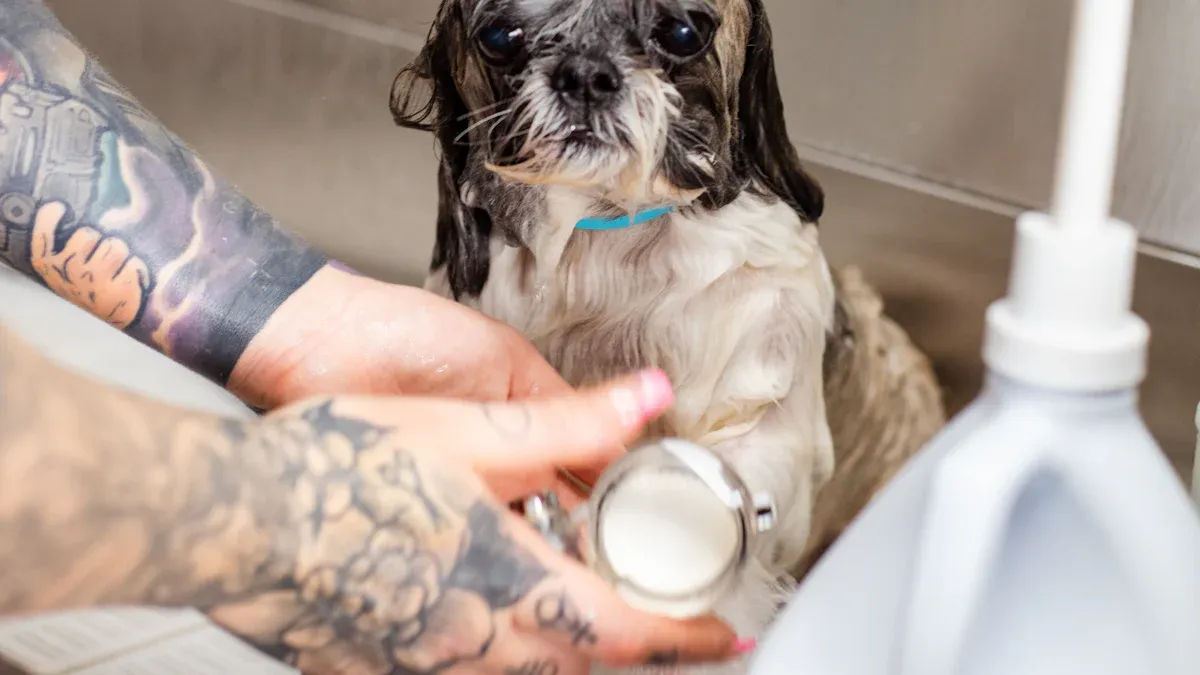
Dogs get tattoos for medical reasons. Veterinarians and shelters use tattoos to identify dogs. Tattoos also show important health facts. These tattoos help keep dogs safe and healthy.
Identification Tattoos
Identification tattoos help lost dogs get back home. Shelters and breeders use tattoos to track dogs. Tattoos can show a dog's special number or code. Anyone can see the tattoo without a scanner. Tattoos are easy to check and read. Tattoos do not need any special tools. New tattoo methods make them last longer and look better. Some tattoos look like barcodes and are simple to read. Online tattoo lists help people find lost pets faster.
Breeder Practices
Breeders give puppies tattoos with a special code. This helps breeders know each puppy. Tattoos help breeders keep track of health and owners. Tattoos stop mix-ups in big litters.
Shelter Use
Shelters use tattoos to identify dogs with unknown backgrounds. Tattoos help staff know which dogs got medical care. Tattoos also show if a dog is in a special program. Tattoos help shelters avoid doing the same surgery twice.
Sterilization Marks
Sterilization tattoos show a dog is spayed or neutered. Veterinarians put a small colored line or dot near the scar. This mark stops extra surgeries and anesthesia. It helps adopted dogs with unknown health records. Shelters and clinics use sterilization tattoos a lot.
|
Type of Practice |
Tattooing Rate for Owned Animals |
Tattooing Rate for Unowned Animals |
|---|---|---|
|
Private Practices |
5% |
21% |
|
Shelters |
80% |
84% |
|
Spay/Neuter Clinics |
72% |
70% |
Shelters and clinics use sterilization tattoos more than private practices. Most unowned dogs in shelters have these marks. This helps staff and new owners know the dog's status.
Note: Tattooing dogs for medical reasons keeps them safe and healthy. It stops repeated surgeries and helps shelters care for animals.
Decorative Tattoos
Some people ask, can dogs get tattoos for decoration? Animal welfare groups and veterinarians do not support decorative tattoos. These tattoos do not help a dog's health or safety. Many laws ban tattoos for decoration because they hurt and stress dogs. Only medical tattoos for identification or sterilization are allowed.
7 Factors That Pet Owners Should Know
1. Legal & Ethical Reality: Cosmetic Tattoos Are Not Allowed
Many people ask, can dogs get tattoos for decoration? The answer is no because of laws and animal welfare rules. Cosmetic tattoos do not help dogs in any way. They only cause pain and health risks for pets. Veterinarians must protect animals and avoid useless procedures. Animal welfare groups make rules to stop cosmetic tattoos since they do not help the dog. Owners might think tattoos are fun, but dogs do not benefit from them.
-
Cosmetic tattoos do not help dogs at all.
-
Dogs can get pain, infection, or scars from tattoos.
-
Veterinarians should always do what is best for animals.
-
Rules are made to keep animals safe, not to please owners.
Note: Laws and rules care about the dog's health and happiness, not what people want.
2. Medical Tattoos Do Exist (and Are Legitimate)
Medical tattoos are used by veterinarians and shelters to help dogs. These tattoos show if a dog has been spayed or neutered. Shelters and rescues use tattoos to keep track of these pets, especially females. Sometimes, you cannot tell if a dog had surgery just by looking. Medical tattoos fix this problem. Veterinarians agree that spay/neuter tattoos are a good idea. These marks stop extra surgeries and help keep records right.
-
Veterinarians accept spay/neuter tattoos.
-
Shelters and rescues use tattoos for sterilized pets.
-
Tattoos help spot females who had surgery.
-
Medical tattoos keep dogs healthy and safe.
3. Dog Skin Is Not Like Human Skin
Dog skin is different from human skin, which makes tattooing risky. Dogs have special skin that is not like ours. Their skin is more oily and has a higher pH. The skin microbiome is less varied and changes with the breed. Dogs go outside a lot, so their skin gets dirty and has more germs. These things make infections and problems more likely after tattooing.
|
Feature |
Human Skin |
Dog Skin |
|---|---|---|
|
Microbiome Diversity |
Moderate to high |
Lower diversity, changes by breed |
|
Dominant Microbes |
Staphylococcus epidermidis, etc. |
Staphylococcus pseudintermedius, etc. |
|
Skin Characteristics |
Drier, lower pH (acidic) |
More oily, higher pH (neutral to alkaline) |
|
Environmental Exposure |
Many environments |
Outside a lot |
Tattooing a dog is not like tattooing a person. The risks are bigger, and healing is harder for dogs. Pet owners should remember these facts before asking, can dogs get tattoos?
4. Pain & Stress Are Major Concerns
Dogs feel pain and stress when they get tattoos. Needles poke through their skin during the process. Most dogs do not get anesthesia for tattoos. They might flinch, whine, or try to get away. Tattooing can take a few minutes, which makes it worse. Dogs do not know why they are being held still. This makes them even more nervous. Some dogs may become scared of people or places after this happens.
Note: Animal welfare groups say tattooing causes suffering. They tell owners to avoid things that do not help a dog's health.
Veterinarians want pets to be comfortable. They use pain medicine for medical tattoos like sterilization marks. Cosmetic tattoos are not worth the pain. Owners should ask if the tattoo is really needed.
5. Health Risks You Should Not Ignore
Tattooing dogs can cause health problems. Infections can happen if tools are not clean. Bacteria like Staphylococcus can get in and cause swelling. Pasteurella can infect wounds from licks or scratches. Fungal infections can slow healing and make dogs uncomfortable. Mycobacterial infections are rare but can cause skin problems for a long time.
Some dogs are allergic to tattoo ink. Red, black, and green colors often cause swelling and skin damage. Dogs can react days later, even if the skin looks fine at first. Testing for ink allergies before tattooing can help, but it is not always safe.
-
Tattoo Allergic Reaction: Swelling and skin damage can happen from ink or metals.
-
Dirty tools: Needles that are not clean can spread bacteria.
-
Contaminated ink: Even ink that says sterile may have germs.
|
Health Risk |
Description |
|---|---|
|
Staphylococcus Infection |
Painful swelling, risk of deeper tissue spread |
|
Pasteurella Infection |
Localized pain, swelling from licks or scratches |
|
Fungal Infection |
Delayed healing, discomfort |
|
Mycobacterial Infection |
Chronic skin lesions, rare but serious |
|
Allergic Reaction |
Swelling, redness, delayed response |
Tattooing puts dogs at risk for problems that are not worth it, especially for looks. Owners who ask, can dogs get tattoos, should think about these dangers first.
6. Microchipping Is a Better Identification Method
Microchipping is a safer way to identify dogs. A veterinarian puts a tiny chip under the dog's skin. The chip has a special number linked to the owner's contact info. Shelters and clinics use scanners to read the chip. Microchips do not fade or fall out. They last for the dog's whole life.
Microchipping is permanent and works everywhere. It does not depend on local rules or marks you can see. Tattoos can fade or get hard to read. Microchips stay safe and work well. Owners can update their contact info in the microchip system. This helps lost pets get home faster.
Tip: Veterinarians and animal welfare groups say microchipping is best. It hurts less and is safer than tattooing. It also avoids the health risks from ink and needles.
Owners who want to keep their pets safe should pick microchipping instead of tattooing. This way, dogs stay safe and families can find their pets again.
7. Emotional Alternatives Are Safer (and Meaningful)
Many pet owners want to remember their dogs in special ways. Tattooing might seem like a good idea, but it can hurt dogs and cause health problems. Safer emotional alternatives help people honor their pets without harm. These choices let families remember their dogs and feel close to them.
People can plant something living. A tree or flowers will grow and remind families of their dog. Seeing new leaves or blooms brings hope and comfort. Nature gives a quiet place to think about happy memories.
Writing a letter to a pet helps owners share their feelings. Words show the love between a person and their dog. Letters help people deal with sadness and remember good times. Some keep these letters safe or read them on special days.
A photo collage puts favorite pictures together. Families pick photos from walks, play, or quiet times. Collages show the joy and love a pet gave. Hanging a collage at home keeps memories nearby.
A memory box holds things that remind people of their dog. Owners might add a collar, toy, or tag. Some put in photos, letters, or small items. Opening the box helps families remember special moments and feel close to their pet.
Donating to a charity in a pet’s name is a kind way to honor them. Animal shelters and rescue groups use donations to help other pets. This kindness creates a legacy for the dog. Families know their pet’s memory helps animals who need care.
Emotional alternatives keep dogs safe from pain and stress. These choices help owners heal and remember the bond they had.
|
Emotional Alternative |
Description |
|---|---|
|
Plant a living tribute |
Grow a tree or flowers as a lasting memory |
|
Write a letter |
Express feelings and memories in writing |
|
Create a photo collage |
Display favorite moments with the pet |
|
Make a memory box |
Collect items that remind you of your dog |
|
Donate to charity |
Support animals in need in your pet’s name |
Picking emotional alternatives shows you care about your dog’s well-being. These ways make memories last and help families honor their pets safely. People find comfort and meaning in these tributes. They know they celebrate their dog’s life with love and care.
Alternatives To Dog Tattoos
Many pet owners wonder if dogs can get tattoos for identification or memories. There are safer and better ways to do this. These choices keep dogs safe from pain and health problems.
Microchipping
Microchipping is a strong way to identify dogs. A veterinarian puts a tiny chip under the dog's skin. The chip has a special number that links to the owner's contact details.
How It Works
A microchip uses radio waves to share information. Shelters and clinics scan the chip to find the owner's name and phone number. The chip stays in the dog for its whole life.
-
About 70% of pets in the U.S. have microchips.
-
Microchips stick to the pet’s tissue, so they do not fall out.
-
Shelters use scanners to read the chip and help lost pets get home.
Pros & Cons
Microchipping has many good points, but also a few downsides.
|
Feature |
Microchip |
Tattoo |
|---|---|---|
|
Permanence |
Permanent |
Permanent |
|
Readability |
Needs scanner |
Visible but may fade |
|
Application |
Quick, minimal pain |
Requires sedation |
|
Recognition |
Widely accepted |
Less common |
|
Success Rate |
High (3 out of 4 dogs reunited) |
Lower |
Microchips help more lost pets get back to their owners. Tattoos can fade and are not as well known.
Collars & Tags
Collars and tags are still a common way to identify dogs. Owners put a tag with their contact info on the dog's collar.
-
Collars and tags are easy to read and show who owns the dog.
-
They are clear signs that a pet has a family.
-
QR code tags let people scan and see pet info fast.
-
GPS collars help owners track their dogs in real time.
-
Collars and tags can fall off or be taken off, so it is best to use them with microchips.
Animal groups say collars and tags should be the first way to identify pets. Online lists make it even safer for lost pets to be found.
Memorial Options
Many families want to remember their dogs in special ways. Non-invasive memorial items are safe and show love.
-
Paw Print Pet Memorial Stone
-
Plant a Memorial Tree
-
Pet Memorial Bench
-
Professional Portrait
-
Teddy Bear Keepsakes
-
Donation to a local animal shelter
-
Paw Print Cast in Clay
-
Frame a favorite picture
-
Grave Marker
-
Memorial Dog Tag
-
Personalized Pillow
-
Memorial Candle
-
Pet Memory Box
Paw Memorial Gifts has many of these memorial choices. Families can pick keepsakes, photo frames, or pretty urns. These things help people remember their pets without hurting them.
Picking options like microchipping, collars, and memorial gifts keeps dogs safe and helps families remember them. These ways work better than tattooing and protect dogs’ well-being.
Expert Opinions On Can Dogs Get Tattoos
Veterinarian Advice
Veterinarians talk about tattooing dogs a lot. Many say tattoos can help identify dogs if microchipping is not an option. Some clinics use tattoos to show a pet is sterilized. This stops extra surgeries and keeps records right. Veterinarians do not agree with tattoos just for decoration. They think tattoos for looks do not help the dog and might hurt or stress them. Most experts say owners should use safe and kind ways to identify pets.
Welfare Organization Views
The American Veterinary Medical Association (AVMA) has said since the 1980s that tattoos are good for marking sterilized dogs and cats. This helps stop extra surgeries and keeps animals safe. The AVMA made rules for tattoo identification to show surgery was done, so pets do not get operated on again by mistake.
Over 40 years ago, the AVMA said tattoos help build trust with pet owners. Tattoos are a lasting way to identify pets and show veterinarians care about animals.
Animal welfare groups care most about pets’ health and safety. They only support tattoos for medical reasons, like marking sterilization. These groups do not want tattoos for decoration. Their main goal is to keep animals safe and teach owners to care for pets the right way.
Final Thought
Dog owners have lots of things to think about with tattoos. Laws and rules are made to keep animals safe. There are seven reasons why tattoos for looks are not okay. Safer ways like microchipping help identify pets better. Memorial choices let families remember their pets with love.
-
Many pet owners ask experts for help before deciding.
-
Special urns, pawprint art, and jewelry help families feel better after losing a pet.
Picking safe and caring options helps pets stay healthy and loved.
FAQ
Can a dog get a tattoo for decoration?
No, dogs cannot get tattoos just for decoration. Laws and animal groups do not let people give dogs cosmetic tattoos. Most places only allow tattoos for medical or identification reasons.
Do tattoos hurt dogs?
Yes, tattoos can make dogs feel pain and stress. Most dogs do not get medicine to stop pain during tattoos. Veterinarians and animal groups say tattoos can make dogs feel bad.
Are identification tattoos safe for dogs?
Identification tattoos are safer when a veterinarian does them. Vets use clean tools and take care of the dog. Tattoos can still cause problems like infection or allergies.
What is the difference between a tattoo and a microchip for dogs?
|
Feature |
Tattoo |
Microchip |
|---|---|---|
|
Visibility |
You can see it |
Hidden under skin |
|
Pain |
Can hurt |
Hurts very little |
|
Lifespan |
Can fade |
Lasts forever |
Can a tattoo help find a lost dog?
A tattoo can help if someone finds the dog and looks for the mark. Microchips work better because shelters and vets can scan them fast and call the owner.
Who can legally tattoo a dog?
Only veterinarians with a license can tattoo dogs for medical or identification reasons. Laws do not let pet owners or tattoo artists give dogs tattoos for decoration.
What are safe ways to remember a pet?
Many families pick photo frames, special jewelry, or plant a tree. These choices honor a pet’s memory and do not hurt the animal.
Do all shelters use tattoos for sterilization?
Not every shelter uses tattoos for sterilization. Some use microchips or keep other records. Shelters choose what works best for them.


